602-649-2089


Can a Dentist Remove Hardened Plaque?

Plaque buildup is something most people deal with at some point. But once plaque hardens into tartar, no amount of brushing or flossing will remove it. At this stage, you must see a dental professional for help. So, can a dentist remove hardened plaque? The answer is yes—and here’s how.
What Is Hardened Plaque?
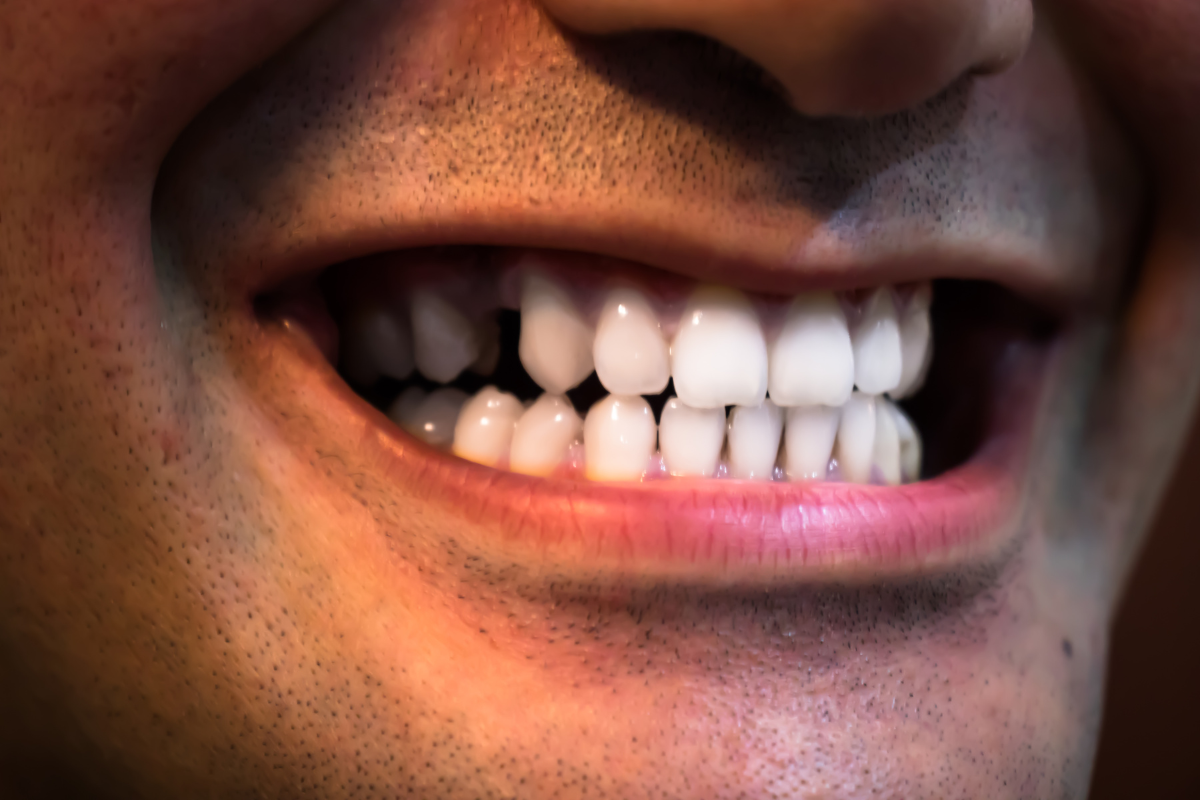
Soft plaque hardens into tartar, also known as dental calculus, if not removed promptly. Plaque contains bacteria, food particles, and saliva. When it sits on your teeth for too long, especially near the gumline, it mineralizes and hardens. Tartar creates a rough surface on your teeth, making it easier for more bacteria and plaque to accumulate, which can potentially lead to gum disease or tooth decay.
Why You Need a Dentist to Remove It
Brushing and flossing remove soft plaque, but once plaque hardens, you cannot scrub it off at home. Only a licensed dentist can safely and properly remove tartar. If you live in Arizona, visiting a dentist in Sun City West can help you stay ahead of plaque buildup with regular cleanings and evaluations.
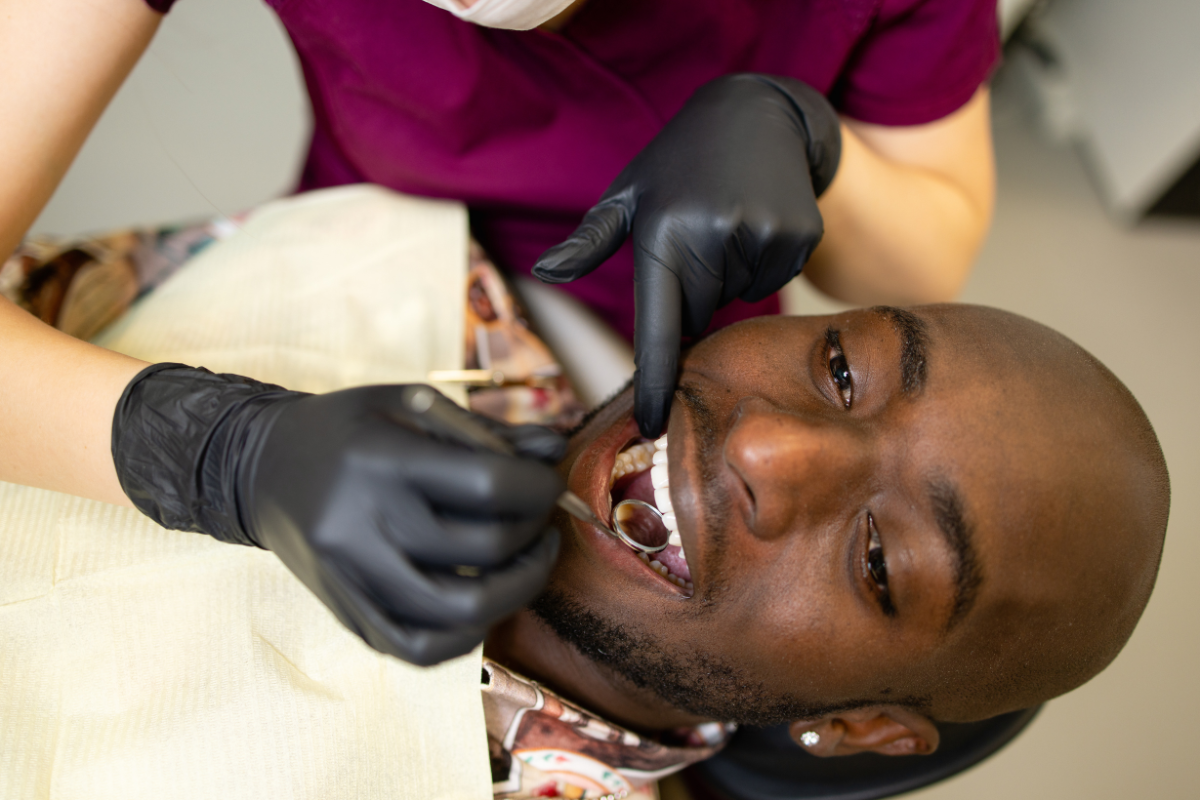
Dentists break down and remove tartar from your teeth using specialized tools like scalers and ultrasonic instruments. These tools can reach below the gumline and between teeth—areas your toothbrush can’t access.
What Happens During a Dental Cleaning?
During a professional dental cleaning, the hygienist or dentist follows several steps:
- Initial Examination: The dentist checks your teeth and gums to assess buildup and identify signs of gum disease or cavities.
- Scaling: This step involves using manual or ultrasonic instruments to remove tartar from your teeth surfaces and below the gumline.
- Polishing: After scaling, the dental team polishes your teeth to smooth out rough spots where plaque could form again.
- Fluoride Treatment (optional): Fluoride strengthens your enamel, helping to prevent future plaque and tartar buildup.
Risks of Ignoring Tartar Buildup
Leaving tartar untreated can lead to serious oral health issues, such as:
- Gingivitis (early gum disease)
- Periodontitis (advanced gum disease)
- Tooth decay
- Chronic bad breath (halitosis)
- Tooth loss in severe cases
Regular dental cleanings not only remove hardened plaque but also prevent these problems from progressing.
How Often Should You Visit the Dentist?
The American Dental Association recommends seeing your dentist at least every six months for routine checkups and cleanings. If you’re prone to tartar buildup, your dentist may suggest more frequent visits to maintain optimal oral health.
Daily brushing and flossing still matter—but they work best in combination with professional care.
Don’t Wait—Protect Your Smile Today
Tartar won’t go away on its own, and delaying treatment can lead to painful and costly dental issues down the road. Scheduling a dental cleaning is the best way to protect your teeth and gums from long-term damage.
Take the next step toward better oral health. Call your local dental office today and schedule your routine dental care appointment. Your smile will thank you.