602-649-2089


Understanding the Longevity of Cosmetic Dentistry: Is it Permanent?
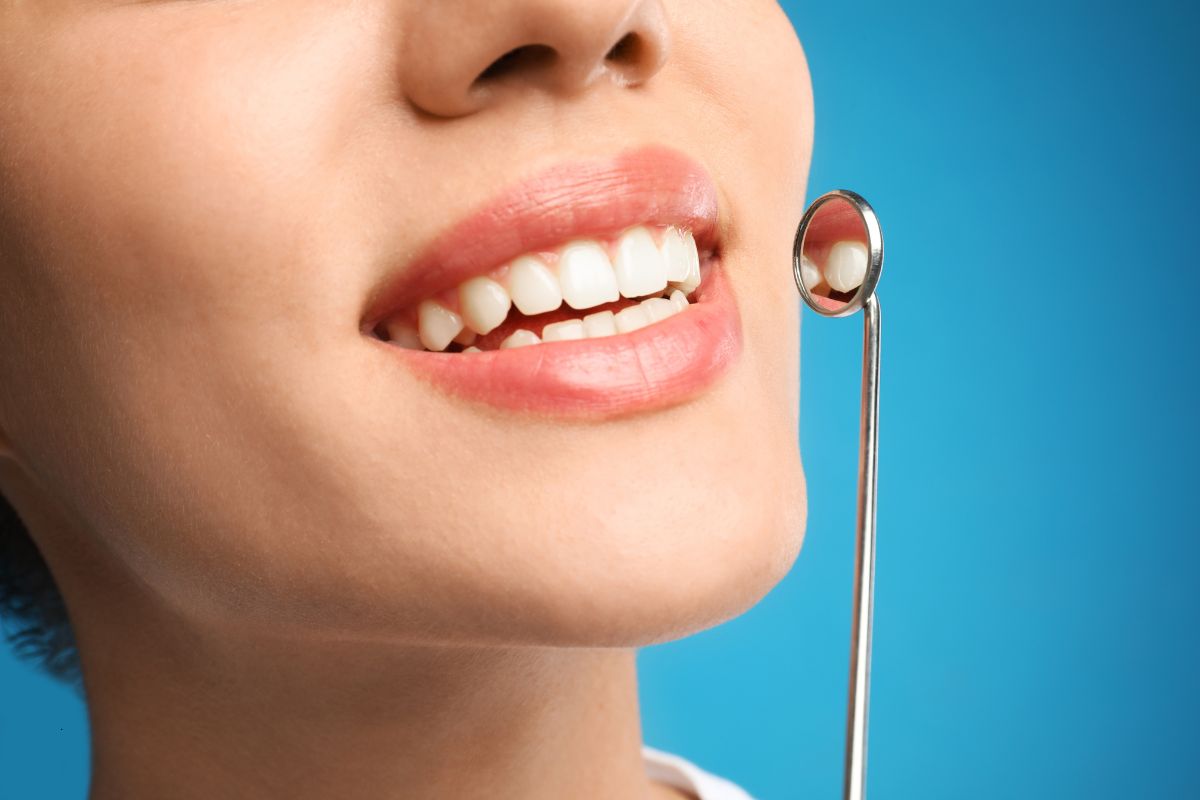
Cosmetic dentistry has revolutionized the way we approach dental aesthetics, offering solutions that can transform smiles and boost confidence. However, many people wonder about the longevity of these treatments and whether they are truly permanent. Let’s explore how long cosmetic dentistry lasts and what factors influence its durability.
Types of Cosmetic Dentistry and Their Longevity
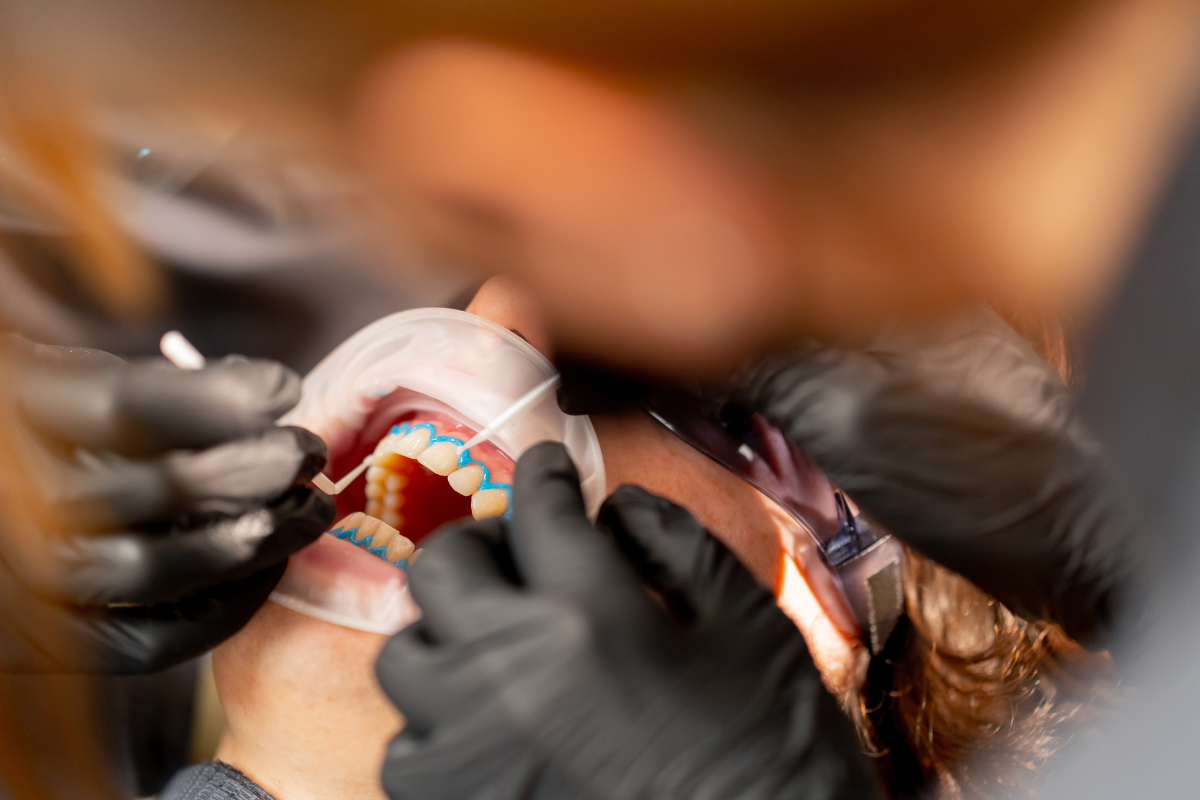
- Teeth Whitening: Teeth whitening is a popular cosmetic procedure that brightens teeth by removing stains. The results typically last between 6 months and 2 years, depending on lifestyle factors such as diet, smoking, and oral hygiene. While whitening treatments can be long-lasting, they are not permanent. Regular touch-ups may be necessary to maintain the desired shade.
- Dental Veneers: Veneers are thin shells of porcelain or composite resin that cover the front surface of teeth to improve their appearance. Porcelain veneers generally last between 10 and 15 years, while composite veneers may last 5 to 7 years. Proper care and regular dental check-ups can help extend their lifespan. Despite their durability, veneers may need to be replaced eventually due to wear and tear.
- Dental Crowns: Crowns are used to cover damaged or weakened teeth, restoring their shape and function. Made from materials like porcelain, metal, or a combination of both, crowns can last between 10 and 15 years. Factors such as grinding teeth, poor oral hygiene, and the material used can affect their longevity. Regular dental visits can help ensure that crowns remain in good condition.
- Bonding: Dental bonding involves applying a tooth-colored resin to repair chips, gaps, or discolorations. Bonding typically lasts between 3 and 10 years. While it is a cost-effective solution, bonding is more prone to staining and chipping compared to other cosmetic treatments. Maintaining good oral hygiene and avoiding hard foods can help extend its life.
- Invisalign: Invisalign is a popular alternative to traditional braces for straightening teeth. The aligners are removable and are usually worn for about 12 to 18 months. After the treatment, wearing a retainer is essential to maintain the new alignment. If a retainer is not used as instructed, teeth may shift back over time.
Factors Affecting Longevity
Several factors can influence the longevity of cosmetic dentistry treatments:
- Oral Hygiene: Maintaining excellent oral hygiene by brushing, flossing, and regular dental visits is crucial. Poor hygiene can lead to decay, gum disease, and other issues that may affect cosmetic dental work.
- Lifestyle Choices: Diet and habits such as smoking or excessive consumption of stain-causing substances can impact the durability of cosmetic treatments. Avoiding or minimizing these habits can help preserve results.
- Material Quality: The quality of materials used in cosmetic dentistry plays a significant role in how long treatments last. Higher-quality materials generally offer better longevity and performance.
- Dental Care: Regular check-ups with a dentist can help identify and address issues early, ensuring that cosmetic treatments last as long as possible.
Conclusion
While cosmetic dentistry offers remarkable improvements to dental aesthetics, most treatments are not permanent. The longevity of procedures like whitening, veneers, and bonding depends on various factors, including oral hygiene, lifestyle choices, and material quality. By taking proactive steps to care for your dental health, you can maximize the lifespan of your cosmetic enhancements and keep your smile looking its best.