
602-649-2089


Smile Saviors: The Role of Dental Fillings in Oral Health
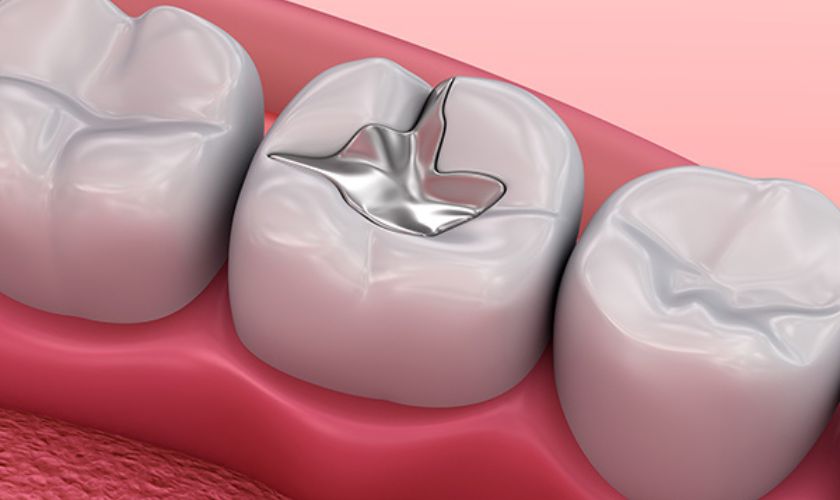
A vibrant smile is a reflection of good oral health, but sometimes, dental issues like cavities can tarnish that brilliance. Fortunately, dental fillings come to the rescue, restoring both the appearance and functionality of damaged teeth. In this blog, we’ll delve into the vital role of dental fillings in preserving oral health, exploring their benefits, types, and the importance of timely intervention.
Understanding Dental Fillings:
Dental fillings are restorative materials used to repair teeth damaged by decay or trauma. They work by filling in cavities and restoring the tooth’s structure, preventing further decay and preserving its function. Fillings not only repair existing damage but also strengthen the tooth, helping to prevent future complications.
The Importance of Fillings in Oral Health:
- Preventing Decay Progression: Cavities, if left untreated, can deepen and spread, leading to more significant dental issues such as infections or abscesses. Dental fillings halt this progression by sealing off the cavity, preventing bacteria from infiltrating the tooth further.
- Restoring Functionality: Tooth decay can compromise the integrity of the tooth, affecting its ability to chew and bite properly. Fillings restore the tooth’s shape and function, allowing for normal eating and speaking without discomfort or difficulty.
- Preserving Natural Teeth: Unlike extraction, which involves removing the entire tooth, fillings allow dentists to conserve as much natural tooth structure as possible. This preservation is essential for maintaining oral health and preventing the need for more extensive treatments like crowns or implants.
Types of Dental Fillings:
- Amalgam Fillings: Made from a blend of metals including mercury, silver, tin, and copper, amalgam fillings are known for their durability and affordability. While they have been used for decades, concerns about mercury exposure have led to a decline in their popularity in recent years.
- Composite Fillings: Composed of a mixture of plastic and glass or quartz particles, composite fillings offer a more aesthetically pleasing alternative to amalgam fillings. They can be color-matched to blend seamlessly with the natural tooth, making them ideal for visible areas.
- Ceramic Fillings: Ceramic or porcelain fillings are made of tooth-colored materials that closely mimic the appearance of natural teeth. They are highly durable and resistant to staining, making them a popular choice for front teeth or those with cosmetic concerns.
Importance of Timely Intervention:
Prompt treatment of cavities is crucial for preventing further damage and preserving oral health. Delaying or neglecting to address cavities can lead to more extensive decay, infection, and eventual tooth loss. Regular dental check-ups allow dentists to detect cavities early and recommend appropriate treatment, including fillings, to prevent complications.
Conclusion:
Dental fillings play a vital role in maintaining oral health by repairing cavities and restoring the function and appearance of damaged teeth. Whether it’s amalgam, composite, or ceramic, the choice of filling material depends on factors such as aesthetics, durability, and cost. By seeking timely intervention and prioritizing preventive care, individuals can safeguard their smiles and enjoy optimal oral health for years to come. If you suspect you have a cavity or require dental fillings, schedule a consultation with your dentist to discuss the best treatment options for your needs.