602-649-2089


Signs You Need a Wisdom Tooth Extraction: When to See a Dentist
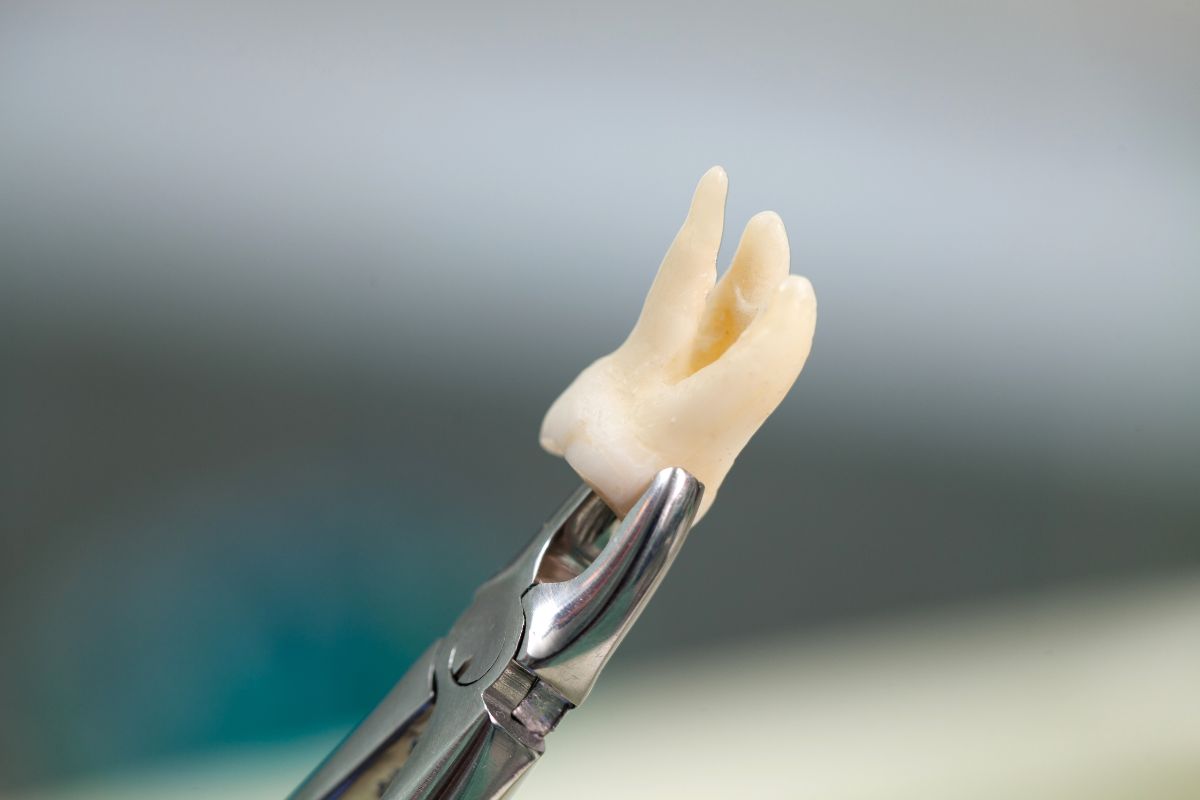
Wisdom teeth are the final set of molars at the back of your mouth. Your late teens or early twenties are usually when they first appear. Some people experience discomfort, pain, or complications with their wisdom teeth that may require extraction, while others have no issues. In this blog post, we’ll explore the common signs that indicate you might need a wisdom tooth extraction and when it’s time to see your dentist.
What Are Wisdom Teeth?
The wisdom teeth are the last to erupt and make up the third set of molars in your mouth. These teeth typically erupt between the ages of 17 and 25. But not everyone gets all four wisdom teeth, and in certain situations, they might not even erupt. Some individuals may experience no issues with their wisdom teeth, while others face significant problems due to their eruption.
Common Issues with Wisdom Teeth
Wisdom teeth are often removed due to the following reasons:
- Impaction: When there isn’t enough space in the mouth for the teeth to fully emerge, leading to pain, swelling, and infection.
- Misalignment: Wisdom teeth can grow at odd angles, pushing against neighboring teeth, causing discomfort or shifting.
- Cavities and Gum Disease: Wisdom teeth are harder to clean due to their location, making them prone to decay and gum infections.
- Infection or Abscess: Bacteria can get trapped around partially erupted wisdom teeth, leading to infection or an abscess, which can be painful and dangerous.
Signs You Might Need a Wisdom Tooth Extraction
If you experience any of the following symptoms, it’s time to schedule a visit to your dentist for an evaluation. They can help determine if wisdom tooth extraction is necessary.
1. Pain at the Back of Your Mouth
Persistent pain at the back of your mouth is one of the most common indicators that you may need to have your wisdom teeth pulled. The intensity of this pain might vary from slight discomfort to intense, pulsating feelings. If you notice that the pain doesn’t go away or worsens over time, it’s a red flag that your wisdom teeth could be impacted or misaligned.
2. Swelling or Tenderness in the Gums
When wisdom teeth are trying to emerge, they can cause swelling, redness, or tenderness in the gums around the affected area. Swollen gums may indicate that the teeth are impacted or partially erupted, which can lead to infection. If swelling doesn’t subside or is accompanied by pain, see your dentist immediately.
3. Jaw Stiffness or Difficulty Opening Your Mouth
If you have trouble opening your mouth fully or notice that your jaw feels stiff or sore, it could be a sign that your wisdom teeth are putting pressure on surrounding teeth. This may happen if the teeth are erupting at an awkward angle or causing misalignment. Jaw pain, especially when it interferes with eating or speaking, is another sign that extraction may be needed.
4. Headaches or Earaches
Wisdom tooth pain can radiate throughout your mouth and head. You may experience frequent headaches, earaches, or even pain in your neck due to the pressure caused by impacted wisdom teeth. If these symptoms persist, it’s important to visit your dentist to rule out any underlying issues related to your wisdom teeth.
5. Bad Breath or Unpleasant Taste in Your Mouth
If you notice persistent bad breath or a bad taste in your mouth, it may be due to food particles or bacteria trapped around your partially erupted wisdom teeth. These trapped particles can lead to infections, making it difficult to keep the area clean. If brushing or rinsing doesn’t help, your dentist can determine if extraction is necessary.
When to See a Dentist in Sun City West:
If you experience any of the signs listed above, it’s time to see your dentist in Sun City West. Even if you don’t have any pain or discomfort, your dentist can monitor the development of your wisdom teeth with regular X-rays. These imaging tools allow your dentist to assess how your wisdom teeth are coming in and whether there are any potential problems.
Your dentist will evaluate the position of your wisdom teeth and may recommend extraction if they are causing damage to adjacent teeth or have the potential to do so. It’s always better to address issues early to prevent more severe complications later on.
The Wisdom Tooth Extraction Process:
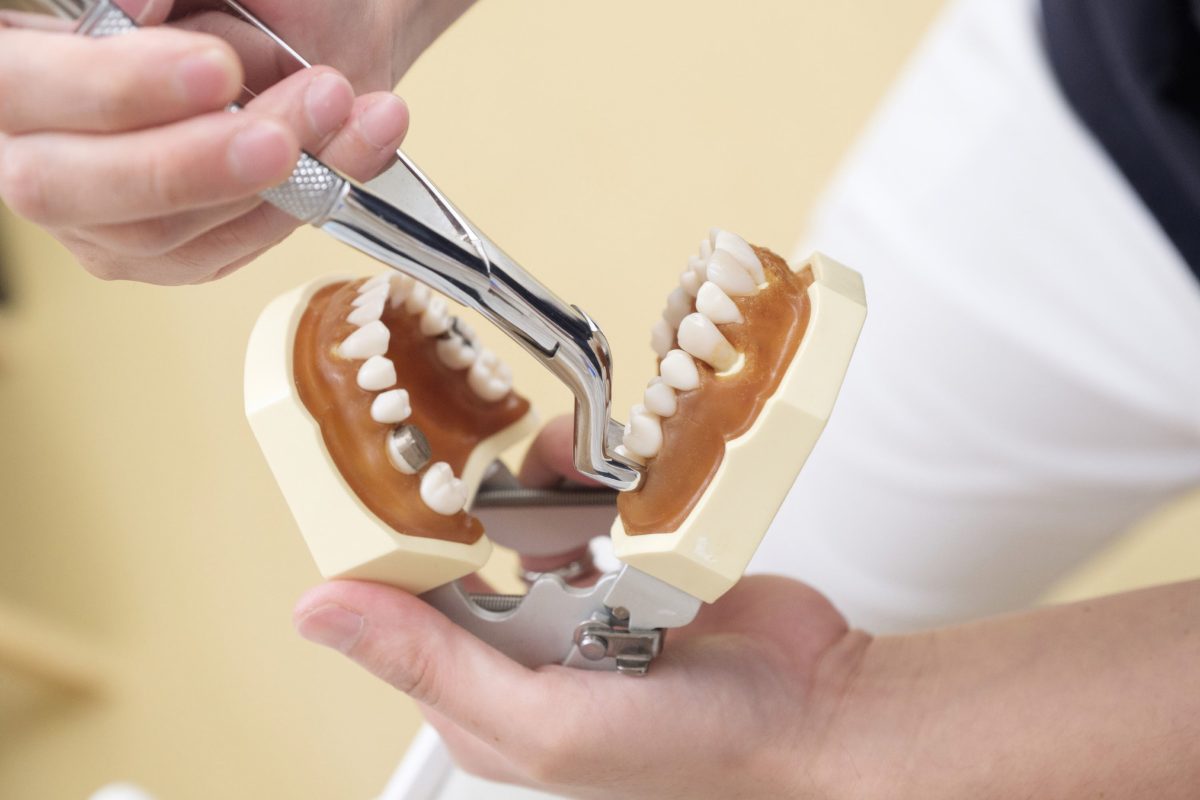
If your dentist determines that you need a wisdom tooth extraction, the procedure is typically straightforward and done under local anesthesia to numb the area. In some cases, sedation or general anesthesia may be recommended, especially if multiple teeth need to be removed at once. After the procedure, you may experience some swelling and discomfort, but these symptoms typically resolve within a few days.
Wisdom tooth extraction is a common procedure, but it’s important to be aware of the signs that indicate you might need this treatment. If you experience pain, swelling, difficulty opening your mouth, or other related symptoms, don’t hesitate to visit your dentist. Early intervention can help prevent more serious dental issues down the line and ensure that your mouth stays healthy and pain-free.
If you’re concerned about your wisdom teeth or experiencing any of the symptoms mentioned, schedule an appointment with your dentist today. They will help you determine the best course of action to maintain your oral health.